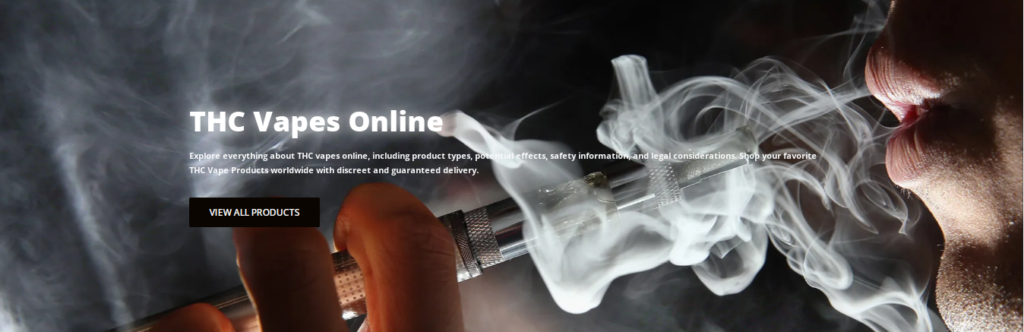
Over the past decade, the cannabis industry has undergone a massive technological evolution, moving far beyond traditional smoking methods. Among the most popular innovations to emerge from this shift is the modern vaporizer device. Loved by many for its discreet nature, ease of use, and fast-acting effects, vaporizing cannabis thc vape concentrates has transformed how both adult consumers and medical patients utilize active cannabinoids. However, alongside its rising popularity comes a crucial need to understand how these devices function, the potential health risks involved, and the complex legal frameworks surrounding them.
What Is a THC Vape and How Does It Work?
A THC vape—short for tetrahydrocannabinol vaporizing device—is an electronic device designed to heat cannabis oil or concentrate to a precise temperature without burning it. By heating the oil just below the point of combustion, the device transforms active cannabinoids and aromatic terpenes into an inhalable aerosol (vapor) rather than harsh smoke.
THC vapes typically come in three main formats:
- Disposables: Self-contained, single-use units that come pre-charged and pre-filled with oil. Users discard the device once the liquid runs out.
- 510-Thread Cartridges: Pre-filled cartridges containing concentrated THC oil that screw onto a reusable, rechargeable “510-thread” battery base.
- Pod Systems: Proprietary battery units designed to work exclusively with specific brand pods.
Regardless of the form factor, every THC vape relies on four core internal components: a power source (battery), an atomizer (heating element), a reservoir holding the concentrate, and a mouthpiece.
Key Benefits Driving the Popularity of THC Vaping
The rapid adoption of vaping over traditional smoking methods stems from several clear user advantages:
1. Discretion and Minimal Odor
Unlike burning cannabis flower, which produces a strong, long-lasting scent, the vapor emitted by a THC vape disperses in seconds and leaves behind little to no lingering smell. This makes it a preferred choice for individuals seeking privacy.
2. Immediate Onset of Effects
Inhaling vaporized cannabinoids delivers active THC directly through the lungs into the bloodstream. Users typically experience the effects within minutes, allowing for precise self-titration and dosage control compared to edible cannabis products, which can take up to two hours to kick in.
3. Flavor Profile Preservation
Because vaping operates at lower temperatures than direct flame combustion, it preserves the delicate terpene profiles of the cannabis plant, providing a cleaner and more distinct flavor experience.
Essential Safety and Health Considerations
While vaping is frequently marketed as a cleaner alternative to combustion, using a THC vape is not completely risk-free. Consumers must be aware of several health and safety considerations before incorporating these products into their routines:
Unregulated Black Market Risks and Contaminants
The primary danger associated with THC vapes comes from illicit, unvetted market products. Health agencies identified an outbreak of EVALI (E-cigarette or Vaping Product Use-Associated Lung Injury), which was heavily linked to black-market THC cartridges cut with synthetic additives like Vitamin E acetate. When inhaled, such lipid additives cause severe pulmonary inflammation and respiratory damage.
Dosing and Potency
Vape concentrates often feature high potency levels, ranging from 60% to over 90% active THC, compared to 15%–25% found in raw flower. First-time or low-tolerance users can easily overconsume, leading to temporary adverse effects such as heightened anxiety, paranoia, dizziness, or rapid heart rate.
Hardware Integrity
Low-quality manufacturing in cheap vape hardware can lead to heavy metal leaching (such as lead or nickel) from poor-grade coils into the liquid over time. Purchasing products that undergo verified third-party laboratory testing is essential for avoiding toxic exposure.
Legal Status and Purchasing Guidelines
The legality of purchasing, possessing, or using a THC vape varies drastically based on jurisdiction. In regions where adult-use or medical cannabis is legal, state-regulated dispensaries are mandated to provide Certificates of Analysis (COA) verifying batch potency and the absence of harmful contaminants.
Conversely, in areas where cannabis remains strictly illegal under local laws, possessing a THC vape cartridge or pen can carry severe legal consequences, including heavy fines and criminal charges.
┌────────────────────────────────────────────────────────────────────────┐
│                        THC Vape Safety Checklist                       │
├────────────────────────────────────────────────────────────────────────┤
│  [  ] Verified Third-Party Lab Testing (COA) Available                 │
│  [  ] Sourced Exclusively from Licensed, Legal Dispensaries           │
│  [  ] Free from Synthetic Cutting Agents (e.g., Vitamin E Acetate)    │
│  [  ] Authentic Hardware (No Leaking, Excessive Heat, or Burnt Taste)  │
└────────────────────────────────────────────────────────────────────────┘
The Bottom Line
A THC vape offers a modern, efficient, and convenient way to consume cannabis, but informed decision-making is vital. To protect both your physical well-being and legal standing, prioritize legally compliant products, verify lab test results, and start with low doses to monitor your individual tolerance.